
Africa’s construction industry is expanding rapidly, driven by urban development, housing projects, schools, and infrastructure improvements. To meet the increasing demand for quality bricks, builders are turning to brick making machines, which offer a faster, more efficient, and reliable alternative to traditional hand-molding methods.
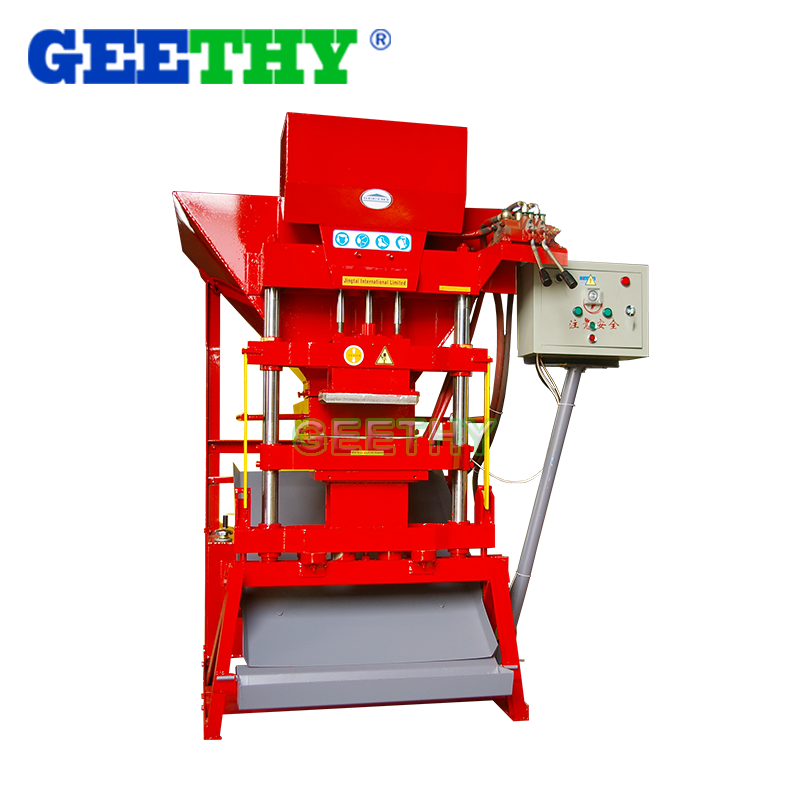
These machines produce uniform, strong, and durable bricks, ensuring better construction quality and longer-lasting structures. Unlike manual brick production, machines can produce hundreds of bricks per hour, significantly reducing labor costs and accelerating project timelines. This makes them ideal for both small-scale builders and large contractors working on major construction projects.
Durability is one of the key advantages of modern brick making machines. Equipped with reinforced steel frames and reliable mechanical or hydraulic systems, these machines can withstand challenging environments and heavy daily use. Many models are versatile enough to produce hollow, solid, and interlocking bricks, allowing builders to choose the best type for their project needs.
For small and medium-sized brick manufacturers, these machines provide excellent economic benefits. Producing bricks in-house allows businesses to control quality, reduce reliance on suppliers, and increase profitability. Many machines are energy-efficient, lowering operating costs while maintaining high production rates.
Ease of use is another significant advantage. Operators can quickly learn to run the machine with minimal training, making it suitable for both urban construction sites and rural areas with limited skilled labor.
In conclusion, brick making machines are revolutionizing the construction industry in Africa. They combine speed, reliability, and cost-effectiveness, enabling builders to meet growing construction demands while maintaining high-quality standards. For contractors, developers, and local brick producers, these machines represent a practical, modern solution for efficient and sustainable brick production.